
Best VPN for Digital Nomads In 2026 (Stay Secure & Work From Anywhere)

The digital nomad lifestyle has never been more popular. Whether you’re a freelancer, remote employee, entrepreneur, content creator, or online business owner, the freedom to work from anywhere is exciting. One day you might be answering emails from a beach café in Bali, and the next you’re attending meetings from a hotel in Tokyo.
But with that freedom comes a serious responsibility—keeping your personal and business data secure.
Most digital nomads rely on public Wi-Fi networks in coffee shops, airports, hotels, libraries, and co-working spaces. While these networks are convenient, they’re also among the easiest places for hackers to intercept your internet traffic. A single unsecured connection can expose passwords, banking information, client files, business emails, and other sensitive data.
That’s where a Virtual Private Network (VPN) becomes essential.
A VPN encrypts your internet connection, protects your privacy, secures your online accounts, and allows you to access your favorite websites and streaming services while traveling abroad. It’s one of the simplest yet most effective tools every digital nomad should have.
In this guide, we’ll compare the best VPN for digital nomads in 2026, explain the features that matter most, and help you choose the right VPN for working safely from anywhere in the world.
Why Every Digital Nomad Needs a VPN
Working remotely often means connecting to networks you don’t control. Unlike your home internet, public Wi-Fi is shared with dozens—or even hundreds—of strangers. Without proper protection, your online activity can become vulnerable to cyber threats.
A quality VPN creates a secure, encrypted tunnel between your device and the internet. Even if someone intercepts your connection, the information remains unreadable.
Here are some of the biggest reasons digital nomads should never travel without a VPN.
🔒 Protect Your Personal and Business Data
Imagine logging into your online banking account or sending confidential client documents while connected to an airport Wi-Fi network.
Without encryption, attackers may attempt to capture:
- Login credentials
- Credit card information
- Business emails
- Client files
- Cloud storage access
- Social media accounts
A VPN encrypts all this data before it leaves your device, making it extremely difficult for anyone else to read.
🌍 Access Your Favorite Websites Anywhere
Many websites and streaming platforms change their content based on your location.
As a traveler, you may suddenly discover that services you use every day are unavailable.
Examples include:
- Banking websites requiring access from your home country
- Business dashboards with regional restrictions
- News websites
- Streaming services
- Sports broadcasts
- Government portals
A reliable VPN lets you connect through servers in different countries, helping you access services just as if you were back home.
☕ Stay Safe on Public Wi-Fi
Public Wi-Fi is everywhere:
- Coffee shops
- Airports
- Hotels
- Restaurants
- Shopping malls
- Co-working spaces
- Libraries
Unfortunately, it’s also one of the easiest targets for cybercriminals.
Fake Wi-Fi hotspots often imitate legitimate networks using similar names such as:
- Free Airport Wi-Fi
- CoffeeShop_Guest
- Hotel Internet Free
Unsuspecting users connect without realizing they’re sharing data with attackers.
Using a VPN significantly reduces this risk by encrypting everything sent from your device.
Tip: If you frequently work from hotels, check out our guide on Best VPN for Hotels & Public Wi-Fi, where we explain how to stay secure on shared hotel networks.
💼 Secure Remote Work
Many companies now allow employees to work remotely from anywhere in the world.
However, accessing company resources often involves:
- Internal dashboards
- Project management tools
- Customer databases
- Shared drives
- Financial software
A VPN helps secure these connections, especially when you’re working outside your office or home network. It also adds an extra layer of protection when using collaboration tools like Slack, Microsoft Teams, Zoom, Google Workspace, or Dropbox.
🛡️ Improve Online Privacy
Your internet service provider, network administrator, or even the owner of a public Wi-Fi network may be able to see parts of your online activity.
A VPN masks your IP address and encrypts your traffic, making it much harder for third parties to monitor your browsing habits.
For digital nomads who value privacy, this added protection is invaluable.
Common Cyber Risks Digital Nomads Face
Traveling introduces unique online security challenges that many people don’t think about until it’s too late.
Here are some of the most common threats.
1. Fake Wi-Fi Networks
Hackers often create fake hotspots that mimic legitimate networks.
Once connected, they can attempt to intercept:
- Emails
- Passwords
- Banking sessions
- File transfers
2. Man-in-the-Middle Attacks
In this type of attack, a cybercriminal secretly places themselves between your device and the website you’re visiting.
Without encryption, they may be able to view or alter transmitted information.
3. Data Tracking
Some public networks monitor user activity for analytics or advertising purposes.
A VPN helps prevent unnecessary tracking by encrypting your connection and hiding your real IP address.
4. Geo-Restrictions
Certain websites, apps, and streaming services may be unavailable depending on your location.
Whether you need access to a work platform or want to watch content from home after work, a VPN can help maintain consistent access while traveling.
5. Censorship and Restricted Internet Access
Some countries restrict access to social media, messaging apps, or news websites.
For travelers, this can make communication with family, clients, or colleagues difficult.
A VPN can provide a more reliable and private connection when internet restrictions are in place, while you should always comply with local laws and regulations.
What Makes the Best VPN for Digital Nomads?
Not every VPN is suitable for people who work while traveling. A digital nomad needs more than basic encryption—they need speed, reliability, and global coverage.
Here are the features to prioritize when choosing a VPN.
⚡ Fast Connection Speeds
Slow internet can disrupt:
- Video meetings
- Cloud backups
- File uploads
- Remote desktop sessions
- Streaming during downtime
Choose a VPN known for maintaining fast and stable performance.
🌎 Large Server Network
The more countries and cities a VPN supports, the easier it is to find a nearby server for better speeds or connect to your preferred region when needed.
🔐 Strong Security
Look for features such as:
- AES-256 encryption
- Kill Switch
- DNS leak protection
- Secure VPN protocols
- Multi-factor authentication support for your accounts
📱 Multiple Device Support
Digital nomads often carry:
- Laptop
- Smartphone
- Tablet
- Secondary phone
A good VPN should allow multiple simultaneous connections under one subscription.
💻 Cross-Platform Compatibility
Make sure your VPN supports:
- Windows
- macOS
- Android
- iPhone
- Linux
- Browser extensions
This ensures consistent protection across all your devices.
✈️ Travel-Friendly Features
Some premium VPNs include extras such as:
- Automatic Wi-Fi protection
- Split tunneling
- Threat protection
- Ad blocking
- Malware filtering
- Mesh networking
These features make life easier for frequent travelers and remote professionals.
Best VPNs for Digital Nomads in 2026
After comparing speed, security, server locations, privacy features, and ease of use, these are the two best VPNs for digital nomads in 2026.
Both offer excellent protection while traveling, but each has its own strengths.
🥇 1. ExpressVPN – Best Overall VPN for Digital Nomads ⭐⭐⭐⭐⭐
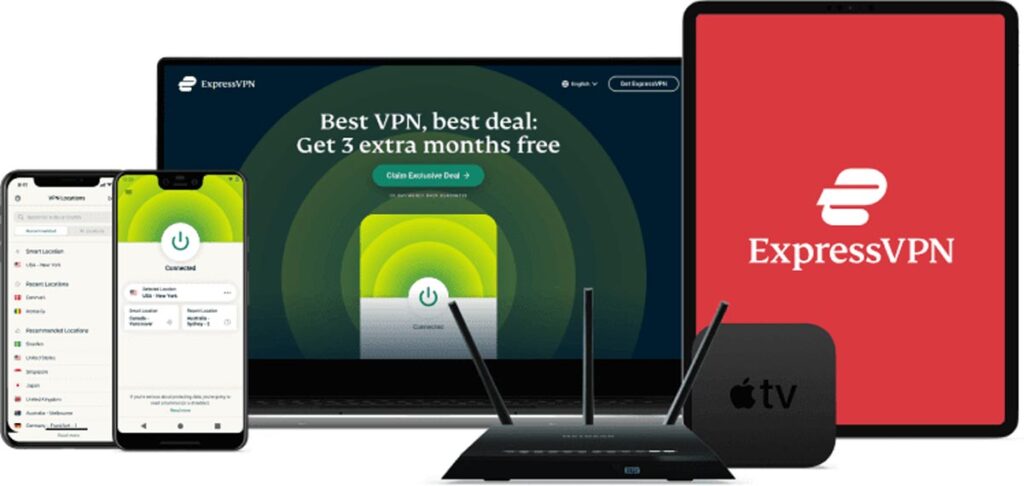
If you’re looking for the most reliable VPN for working while traveling, ExpressVPN is my top recommendation. It combines blazing-fast speeds, industry-leading security, and a user-friendly experience that works almost anywhere in the world.
Whether you’re working from a café in Bali, a co-working space in Lisbon, or a hotel in New York, ExpressVPN keeps your connection secure without slowing you down.
Why ExpressVPN Is the Best Choice
⚡ Lightning-Fast Speeds
ExpressVPN is built for performance, making it perfect for:
- Video meetings on Zoom or Google Meet
- Uploading large project files
- Cloud backups
- Remote desktop access
- HD and 4K streaming
Its Lightway protocol provides fast, stable connections, even on slower hotel or public Wi-Fi networks.
🔒 Best-in-Class Security
ExpressVPN includes premium security features such as:
- AES-256 encryption
- TrustedServer (RAM-only servers)
- Kill Switch (Network Lock)
- DNS leak protection
- No-logs policy
These features ensure your personal information, work files, and client data remain protected wherever you travel.
🌍 Servers in 100+ Countries
With servers in over 100 countries, ExpressVPN lets you connect to nearby locations for better speeds or access services from your home country while abroad.
This is especially useful for:
- Online banking
- Business tools
- Streaming services
- Region-restricted websites
📱 Easy to Use on Every Device
ExpressVPN supports:
- Windows
- macOS
- Android
- iPhone & iPad
- Linux
- Smart TVs
- Browser extensions
Setup takes only a few minutes, making it ideal even for first-time VPN users.
Best For
- Digital nomads
- Freelancers
- Remote employees
- Business travelers
- Privacy-conscious users
Pros
- ✅ Outstanding speed worldwide
- ✅ Excellent security and privacy
- ✅ Reliable in almost every country
- ✅ Beginner-friendly apps
- ✅ 24/7 customer support
Cons
❌ Slightly more expensive than competitors
🥈 2. NordVPN – Best Security Features for Remote Workers ⭐⭐⭐⭐⭐
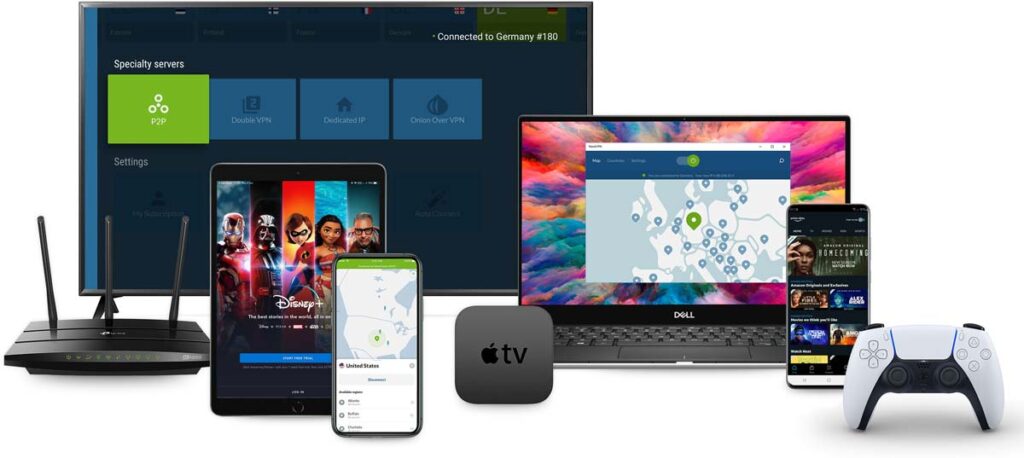
If security is your highest priority, NordVPN is an excellent choice. It offers advanced privacy features while maintaining fast speeds, making it perfect for professionals who frequently work on public Wi-Fi.
NordVPN consistently ranks among the best VPNs for remote work thanks to its strong focus on online protection.
Why NordVPN Is a Great Choice
🛡️ Advanced Security
NordVPN includes features such as:
- AES-256 encryption
- Threat Protection
- Double VPN
- Kill Switch
- Dark Web Monitor
- DNS leak protection
- Strict no-logs policy
These tools provide extra protection against malware, trackers, and phishing attempts.
⚡ Fast and Stable Performance
NordVPN uses its NordLynx protocol, which delivers excellent speeds for:
- Video conferencing
- Large file transfers
- Remote work
- Streaming
- Everyday browsing
Even when connected to distant servers, performance remains consistently strong.
🌎 Wide Global Server Network
NordVPN operates thousands of servers across dozens of countries, allowing you to find fast connections almost anywhere you travel.
A large server network also helps reduce congestion during busy hours.
💻 Great for Business Travelers
NordVPN works seamlessly across:
- Windows
- macOS
- Android
- iPhone
- Linux
- Browser extensions
Its intuitive apps make it easy to stay protected whether you’re working from a hotel, airport lounge, or co-working space.
Best For
- Remote workers
- Business professionals
- Security-focused users
- Frequent travelers
- Privacy enthusiasts
Pros
- ✅ Excellent security features
- ✅ Very fast NordLynx protocol
- ✅ Large global server network
- ✅ Threat Protection included
- ✅ Easy-to-use apps
Cons
❌ Some advanced settings may be unnecessary for casual users
ExpressVPN vs NordVPN: Quick Comparison
| Feature | ExpressVPN | NordVPN |
|---|---|---|
| Overall Rating | ⭐⭐⭐⭐⭐ | ⭐⭐⭐⭐⭐ |
| Speed | ⭐⭐⭐⭐⭐ | ⭐⭐⭐⭐⭐ |
| Security | ⭐⭐⭐⭐⭐ | ⭐⭐⭐⭐⭐ |
| Server Coverage | 100+ Countries | Thousands of Servers Worldwide |
| Best Feature | Simplicity & Reliability | Advanced Security Tools |
| Ease of Use | Excellent | Excellent |
| Best For | Digital Nomads & Travelers | Remote Workers & Privacy Enthusiasts |
🏆 Our Top Recommendation: ExpressVPN
If you want the best all-around VPN for digital nomads, ExpressVPN is our top choice.
It consistently delivers:
- ✅ Excellent speeds
- ✅ Reliable performance worldwide
- ✅ Servers in 100+ countries
- ✅ Strong privacy protection
- ✅ Easy-to-use apps
- ✅ Outstanding customer support
Whether you’re attending Zoom meetings, uploading client projects, accessing cloud storage, or simply browsing the web, ExpressVPN provides a smooth and secure experience almost anywhere you travel.
For digital nomads who depend on a stable internet connection every day, it’s difficult to find a better overall option.
Which VPN Should You Choose?
If you want a VPN that is simple, fast, and consistently reliable wherever you travel, ExpressVPN is the best overall choice.
If your priority is advanced security features and extra privacy tools while working remotely, NordVPN is an outstanding alternative.
Both services are excellent for digital nomads and provide a much safer experience than relying on unsecured public Wi-Fi alone.
How to Choose the Best VPN for Your Digital Nomad Lifestyle
Choosing the right VPN isn’t just about picking the most popular brand. As a digital nomad, your work style, travel destinations, and online activities all influence which VPN is the best fit.
Here’s what you should consider before making your decision.
What to Look for in a VPN
⚡ 1. Fast Connection Speeds
As a digital nomad, your internet connection is your office.
A slow VPN can interrupt:
- Video meetings
- Large file uploads
- Cloud backups
- Remote desktop sessions
- Streaming after work
Look for a VPN that maintains consistently fast speeds without frequent disconnections.
🌍 2. Global Server Network
The more countries a VPN supports, the easier it is to:
- Connect to a nearby server for better performance.
- Access your home country’s websites while abroad.
- Maintain stable connections wherever you travel.
ExpressVPN’s servers in 100+ countries make it an excellent option for international travelers.
🔒 3. Strong Security
Security should never be compromised.
Choose a VPN that offers:
- AES-256 encryption
- Kill Switch
- DNS leak protection
- RAM-only servers
- Strict no-logs policy
These features help protect your personal information when using public Wi-Fi.
💻 4. Multi-Device Support
Most digital nomads carry several devices.
For example:
- Laptop
- Smartphone
- Tablet
- Backup phone
A good VPN should allow you to protect all of them under one subscription.
🌐 5. Easy-to-Use Apps
When you’re traveling, the last thing you want is a complicated VPN.
Choose a provider with simple apps that let you connect in just one click.
Both ExpressVPN and NordVPN offer user-friendly applications for Windows, macOS, Android, iPhone, and Linux.
ExpressVPN vs NordVPN: Which One Is Better?
Both VPNs are excellent choices, but each has its strengths.
Choose ExpressVPN if:
✅ You travel frequently.
✅ You want the fastest and most reliable connections.
✅ You value simplicity.
✅ You regularly use hotel and airport Wi-Fi.
Choose NordVPN if:
✅ Security is your top priority.
✅ You want additional privacy features.
✅ You frequently work with sensitive business information.
Can You Use a Free VPN?
Many people ask whether they can simply use a free VPN instead.
While free VPNs may seem attractive, they often come with limitations such as:
- Slower speeds
- Limited server locations
- Data usage limits
- Fewer security features
- Limited customer support
If you work online and rely on your internet connection to earn a living, investing in a reputable VPN is generally a better long-term decision.
Tips for Staying Safe While Working Abroad
A VPN is only one part of protecting yourself online.
Follow these additional best practices whenever you travel.
✅ Verify Public Wi-Fi
Always confirm the official Wi-Fi name with hotel or café staff before connecting.
✅ Enable Two-Factor Authentication
Use two-factor authentication (2FA) on:
- Email accounts
- Banking apps
- Cloud storage
- Password managers
- Business tools
This provides an extra layer of security even if someone obtains your password.
✅ Keep Software Updated
Install operating system and application updates regularly to reduce the risk of known security vulnerabilities.
✅ Avoid Sensitive Transactions on Unknown Networks
If possible, avoid online banking or highly sensitive work while connected to unfamiliar public Wi-Fi.
If you must access important accounts, connect to your VPN first.
✅ Use Strong, Unique Passwords
A password manager can help you generate and store unique passwords for every account, reducing the impact of a compromised password.
Frequently Asked Questions
Do digital nomads really need a VPN?
Yes. Since digital nomads frequently use hotel, airport, café, and co-working Wi-Fi, a VPN provides an additional layer of security and privacy while working online.
Can I use a VPN on multiple devices?
Yes.
Both ExpressVPN and NordVPN support multiple simultaneous device connections, allowing you to secure your laptop, smartphone, and tablet with a single subscription.
Will a VPN slow down my internet?
A slight reduction in speed is normal because your data is encrypted.
However, premium VPN providers are optimized for performance, and most users notice little difference during everyday tasks like browsing, video calls, or streaming.
Which VPN is better for digital nomads?
Both ExpressVPN and NordVPN are excellent options.
ExpressVPN is ideal for users who prioritize speed, reliability, and ease of use.
NordVPN is a strong choice for users who want advanced privacy and security features.
The right choice depends on your specific travel and work requirements.
Is it legal to use a VPN while traveling?
VPNs are legal in many countries, but regulations vary around the world.
Before traveling, it’s a good idea to check the local laws and use your VPN responsibly.
Which VPN is best for digital nomads?
ExpressVPN is our top recommendation because it offers an excellent balance of speed, security, reliability, and ease of use. NordVPN is another excellent option if advanced privacy features are your priority.
Can I use a VPN while working from cafés and co-working spaces?
Yes. Using a VPN on public Wi-Fi is a good security practice because it encrypts your internet connection and helps protect your personal and business data.
Can I stream while traveling with a VPN?
Many premium VPN providers support streaming while traveling. Availability of specific streaming libraries depends on the platform’s licensing agreements and terms of service.
Final Thoughts
The freedom to work from anywhere is one of the greatest advantages of the digital nomad lifestyle. However, that freedom also comes with new security challenges.
Every time you connect to public Wi-Fi in a hotel, airport, café, or co-working space, you’re relying on a network you don’t control.
A trusted VPN helps reduce those risks by encrypting your internet connection and protecting your personal and professional data.
While no cybersecurity tool can guarantee complete protection, combining a premium VPN with good online habits—such as using strong passwords, enabling two-factor authentication, and keeping your devices updated—can significantly improve your online safety.
If you travel frequently or work remotely, investing in a reputable VPN is a practical step toward protecting your privacy and maintaining a secure digital workspace.
